Ningaloo Reef
Pacific & Oceania
Australia
£2.50
Ningaloo Reef: The World’s Largest Fringing Reef
While the East Coast has the fame, the West Coast has the adventure. Ningaloo Reef is a 260-kilometer stretch of coral that hugs the Western Australian coastline so closely that you can literally step off the beach and be on the reef in seconds. It is wild, remote, and arguably the best place on Earth for reliable encounters with the ocean's biggest residents. Every year, this UNESCO World Heritage site hosts a massive aggregation of Whale Sharks, followed closely by migrating Humpback Whales and Manta Rays. It is the ultimate "big animal" destination where the desert meets the deep blue.
Why We Chose This Sticker Design
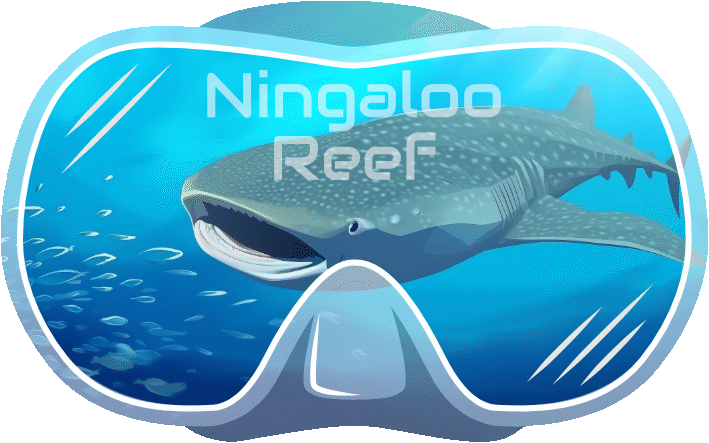
This artwork is dominated by the undisputed king of the West Coast. We filled almost the entire frame with a massive Whale Shark to emphasize the sheer scale of swimming alongside these 10-meter titans. We detailed its iconic white spots—which act like a fingerprint for researchers—and captured its wide, filtering mouth to represent the feeding behavior that brings them to these nutrient-rich waters. The deep blue background keeps the focus strictly on the animal, mirroring the open-ocean nature of these bucket-list encounters.
Diving Ningaloo Reef
Ningaloo, on the remote coast of Western Australia, is the country's largest fringing reef — and unusually, it comes right up to the shore, so you can snorkel onto coral straight off the beach. Its global reputation rests on whale sharks, which aggregate here from around March following the coral spawning, and on a well-regulated in-water tourism industry built around them. Humpback whale swims run later in the year, manta rays are resident, and the reef itself is in far better condition than much of Australia's east coast.
- Best time to dive
- Whale sharks March to July or August; humpbacks August to October
- Difficulty
- Beginner friendly; whale shark and whale swims are snorkel-based
- Water temperature
- 21–29°C
- Visibility
- 10–20m inside the reef, better outside
Top dive sites
- •Whale shark charters — Spotter-plane guided snorkelling outside the reef
- •Navy Pier, Exmouth — Outstanding structure dive, access is restricted
- •Lighthouse Bay — Manta rays and reef diving off Exmouth
- •Coral Bay — Shallow shore snorkelling straight onto the reef
What you’ll see
Frequently asked questions
When is whale shark season at Ningaloo?
Whale sharks typically arrive from around March and stay into July or August, following the mass coral spawning that boosts plankton along the reef. Charters use spotter aircraft to locate animals outside the reef, then drop snorkellers ahead of them. Success rates are high in peak season and many operators offer a return trip if you do not find one. Encounters are snorkel-only — scuba is not permitted with whale sharks here.
Can you dive Ningaloo from the shore?
You can snorkel from shore very easily — the fringing reef sits close in at Coral Bay and along the Cape Range coast, making it one of the most accessible reefs anywhere. Scuba diving is mostly boat-based, running to sites outside the reef and around the Muiron Islands. The standout dive, Navy Pier at Exmouth, is on Defence land with restricted access, so it must be booked through the licensed operator rather than dived independently.