Malapascua
South East Asia
Philippines
£2.50
Malapascua: The Home of the Thresher
Malapascua is a tiny island with a massive reputation. It is widely known as the only place in the world where you can reliably see Pelagic Thresher Sharks every single day. The magic happens at Monad Shoal, a sunken island where these elusive, deep-water sharks rise from the depths just before sunrise to visit cleaning stations. It is a pilgrimage site for shark lovers who are willing to wake up at 4:00 AM for the chance to watch these wide-eyed predators flick their impossibly long tails in the dim morning light.
Why We Chose This Sticker Design
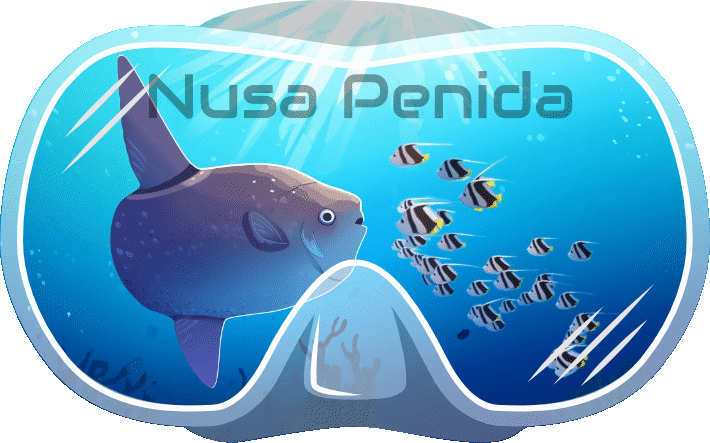
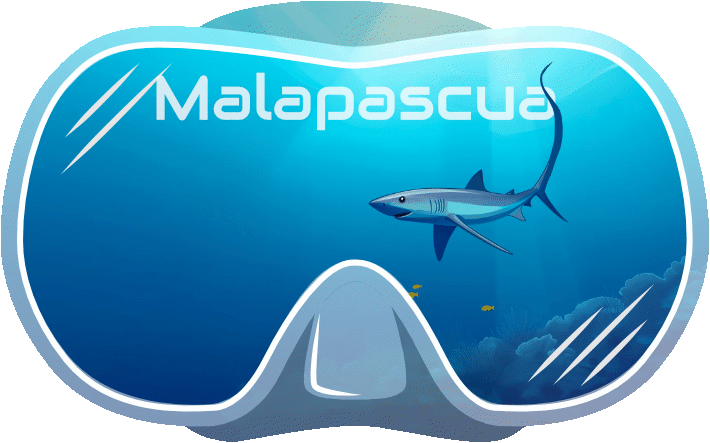
The star of this show could only be one creature. We designed the entire sticker around the iconic silhouette of the Thresher Shark, specifically highlighting that magnificent, scythe-like tail that makes up half its body length. To capture the specific atmosphere of a Monad Shoal dive, we set the shark against a gradient of deep, royal blue, mimicking the open-ocean feel of the cleaning stations where the bottom drops away into the abyss. It is a minimalist but instantly recognizable tribute to the shark that put this island on the map.
Diving Malapascua
Malapascua is a small island off the northern tip of Cebu, and it is famous worldwide for one animal: the pelagic thresher shark. At Monad Shoal, a sunken plateau a short boat ride away, threshers rise from deep water at first light to visit cleaning stations — making this one of the only places on earth with a genuinely reliable, near-daily thresher encounter. It comes with a 4:30am alarm, a dive in the dark to a plateau at around 25–30 metres, and a wait in the blue as the light comes up. The rest of the island's diving is a pleasant surprise: Gato Island's tunnel and whitetip sharks, healthy coral, and good macro. The island was hit hard by Typhoon Haiyan in 2013 and rebuilt, and the diving community there has been closely involved in thresher research and protection ever since.
- Best time to dive
- Threshers year-round; calmest weather roughly November to May
- Difficulty
- Advanced-leaning — pre-dawn dive to 25–30m
- Water temperature
- 27–29°C, with cooler thermoclines at depth on Monad
- Visibility
- 10–30m
Top dive sites
- •Monad Shoal — The thresher shark cleaning station, at dawn
- •Gato Island — Swim-through tunnel, whitetips and sea snakes
- •Kimud Shoal — Occasional hammerhead sightings in season
- •Lighthouse — Dusk dive for mandarinfish
- •Kalanggaman — Sandbar island with pretty wall diving
What you’ll see
Frequently asked questions
Can you see thresher sharks at Malapascua year-round?
Yes — that is what makes the island unusual. The pelagic threshers visit the cleaning stations at Monad Shoal throughout the year rather than seasonally, so sightings are reported in every month, commonly quoted at well above a two-in-three success rate on any given morning. What does vary is the weather: the calmest, driest conditions run roughly November to May, while the June to October period brings more wind and rain and a higher chance of a boat being cancelled. Give yourself several mornings rather than one.
Why is the thresher shark dive so early?
Because the sharks come up to be cleaned at first light and drop back into deep water as the day brightens. Boats typically leave Malapascua around 4:30 to 5:00am so divers are in the water and settled behind the viewing line on the plateau before dawn. You descend in the dark to around 25–30 metres, then wait quietly while the light comes up and the threshers appear out of the blue. It is a genuinely different kind of diving — still, patient and cold-ish at depth — and worth setting expectations for before you book.
What certification do I need for Monad Shoal?
Most operators require Advanced Open Water, because the plateau sits at around 25–30 metres and the dive begins before sunrise with limited natural light. Good air consumption matters too, since the encounter rewards waiting still at depth rather than swimming around. Divers without Advanced can usually complete the qualification on the island in a couple of days, and many people plan exactly that. Strict no-touch, no-flash rules apply at the cleaning stations to avoid driving the sharks off the site.