Nusa Penida
South East Asia
Indonesia
£2.50
Nusa Penida: The Quest for the Sunfish
Nusa Penida is the wild, unruly sibling of Bali. While the mainland has relaxed reefs, Penida is famous for adrenaline-pumping drift dives and freezing cold thermoclines. But divers endure the chill for one reason: the Ocean Sunfish (Mola Mola). This is one of the only places on Earth where you can reliably see these prehistoric, gentle giants rising from the deep to visit cleaning stations. Seeing a 2,000-pound "floating head" hover motionless in the current while smaller fish clean its skin is an encounter that feels almost alien.
Why We Chose This Sticker Design
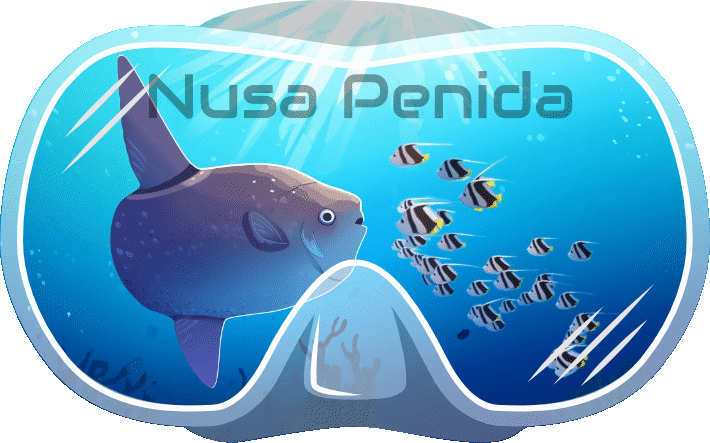
This design captures the exact moment every diver hopes for at Crystal Bay. We centered the artwork on the bizarre, lovable silhouette of the Mola Mola, capturing its unique shape—which looks like a swimming head with fins. Crucially, we included a school of Bannerfish swarming the giant. This isn't just decoration; it represents the symbiotic relationship where the Bannerfish pick parasites off the sunfish, which is the behavior that brings these deep-sea dwellers up into recreational diving limits.
Diving Nusa Penida
Nusa Penida sits across the strait from Bali and offers two completely different headline encounters. Reef manta rays patrol the cleaning stations at Manta Point year-round, close enough to shore that it works as a day trip from Sanur. Then, between roughly July and October, the mola mola arrives — the oceanic sunfish, a vast disc of a fish that rises from deep water to be cleaned at sites like Crystal Bay. That encounter comes at a price: the same cold upwelling that brings them can drop the water to 18°C or below, and Crystal Bay is notorious for sudden downcurrents. Nusa Penida is genuinely superb diving, but it has a reputation among Bali guides as a place where conditions change fast and divers get into trouble by underestimating it.
- Best time to dive
- Mola mola July to October (peak August–September); mantas year-round
- Difficulty
- Advanced for Crystal Bay in mola season; intermediate at Manta Point
- Water temperature
- 24–28°C typically, but 18°C or colder at Crystal Bay in mola season
- Visibility
- 15–30m, occasionally much less in cold upwelling
Top dive sites
- •Crystal Bay — The mola mola site — cold, and prone to downcurrents
- •Manta Point — Reef manta cleaning station, surgy but shallow
- •Toyapakeh — Colourful drift over healthy hard coral
- •SD (Sental to Ped) — Easy drift, great for a first Penida dive
- •Blue Corner — Advanced only — serious, unpredictable current
What you’ll see
Frequently asked questions
When can I see mola mola at Nusa Penida?
The season runs roughly from July to October, with August and September the most reliable months. Mola mola come up from deep water to be cleaned by reef fish, so sightings are tied to cold upwelling — which means the best chances come with the coldest water. Nothing is guaranteed: some divers see several in a day and others go a week without one. If mola are your priority, plan several days rather than a single trip, and be prepared for water around 18°C or below at Crystal Bay.
How cold does it get at Crystal Bay?
Much colder than the rest of Bali. During mola season the thermocline at Crystal Bay regularly drops the water to 18°C, and divers report colder still on some days. Bali dive shops often issue 5mm suits with hoods for Penida trips in season, and many experienced guides wear more. If you dive in a 3mm you will be uncomfortable enough to cut the dive short, which is a waste when you are waiting on a sunfish. Outside mola season the water is far more typical of Bali at 26–28°C.
Is Nusa Penida safe for less experienced divers?
It depends entirely on the site. Manta Point and the easier drifts like SD and Toyapakeh are manageable for divers with basic experience when conditions are calm, and they are dived by day-trippers from Bali constantly. Crystal Bay and Blue Corner are a different matter — both are known for strong and sometimes downward currents, and Blue Corner in particular is regarded as an advanced site only. Choose an operator that assesses your experience honestly rather than one that puts everyone on the same boat to the same site.